Blog
Polynucleotides for Skin Quality: A Practical Guide for UK Aesthetic Clinics
Polynucleotides have become one of the most useful regenerative tools in UK aesthetic practice. Unlike traditional hyaluronic acid fillers that add volume, or classic skin boosters that primarily hydrate, polynucleotides work at a cellular level to support tissue repair, improve skin quality and stimulate the skin’s own regenerative processes.
This article is intended for UK healthcare professionals and aesthetic practitioners.
Polynucleotides have become one of the most useful regenerative tools in UK aesthetic practice. Unlike traditional hyaluronic acid fillers that add volume, or classic skin boosters that primarily hydrate, polynucleotides work at a cellular level to support tissue repair, improve skin quality and stimulate the skin’s own regenerative processes.
This guide provides a practical overview for UK clinics on how polynucleotides work, their key indications, typical treatment protocols and how they complement fillers and skin boosters.
As a GPhC-registered pharmacy, Pharmalyfe supplies a full range of polynucleotide products to verified aesthetic practitioners and clinics across the UK, including:
What Are Polynucleotides?
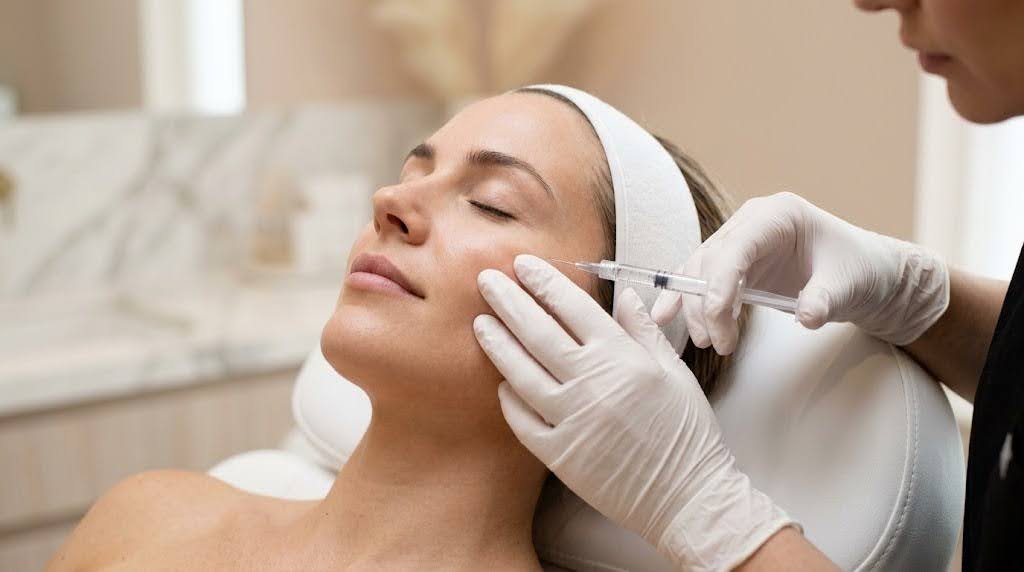
Polynucleotides are highly purified DNA fragments, most commonly derived from fish sources (salmon or trout) and processed to pharmaceutical standards. When injected into the dermis they act as biostimulators. They support fibroblast activity, encourage extracellular matrix production, improve hydration and help calm inflammation.
The result is gradual improvement in skin quality rather than immediate volumetric change. Patients typically notice better texture, elasticity, firmness and radiance over a course of treatments.
Key Clinical Indications
Polynucleotides are particularly valuable in areas where skin quality is the primary concern and where traditional fillers may be less suitable or higher risk.
Common indications include:
Under-eye crepiness, fine lines and skin thinning
Fine lines and early skin laxity on the face
Dehydrated or dull skin
Neck and décolletage quality improvement
Post-acne textural irregularity
Delicate or reactive skin that needs regenerative support
Hands and other areas of thin or photoaged skin
The periocular area is one of the strongest indications. Many practitioners now prefer polynucleotides over tear-trough filler when the main problem is skin quality rather than true volume loss.
Typical Treatment Protocols
Most polynucleotide products are used as a course rather than a single session.
Protocols vary between products, so always follow the manufacturer’s instructions for use. A common approach is:
2 to 4 sessions spaced 2 to 4 weeks apart
Maintenance treatments every 6 to 12 months depending on response and patient goals
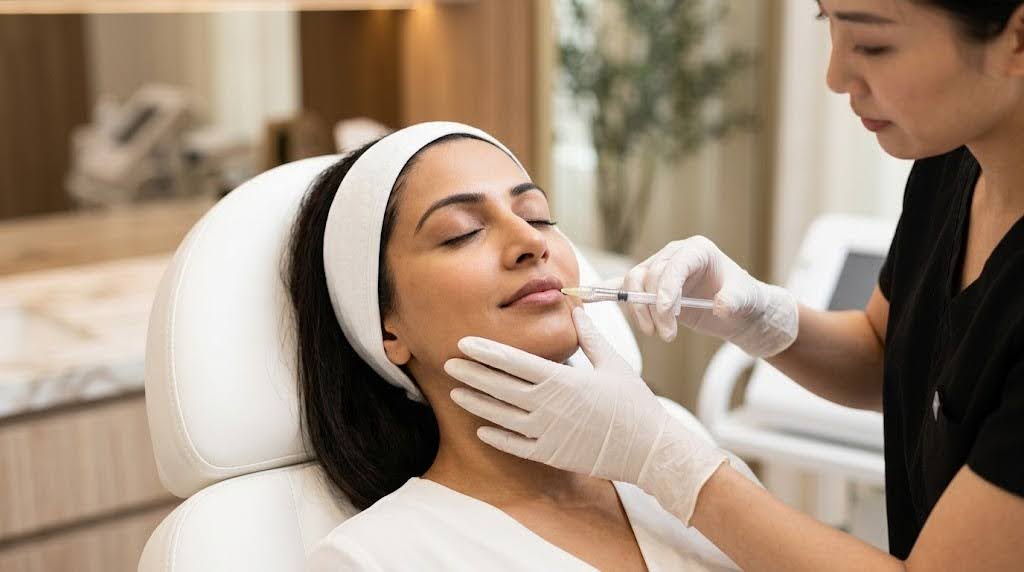
Injection technique is usually intradermal (micro-bolus, linear threading or cannula depending on the area and product). Downtime is generally minimal, with temporary redness, small papules or mild swelling that settles within 24–48 hours in most cases.
Results develop progressively. Early improvements in hydration and radiance may be visible within a few weeks, while firmer, higher-quality skin continues to improve over the full course and in the months that follow.
How Polynucleotides Complement Fillers and Skin Boosters
Polynucleotides sit comfortably alongside other injectable treatments:
With dermal fillers
Fillers restore structure and volume. Polynucleotides improve the quality of the skin overlying that structure. Many clinics use polynucleotides first or in parallel to create a healthier tissue environment before or after placing HA fillers.
With skin boosters
Skin boosters excel at hydration and glow. Polynucleotides add a regenerative, collagen-supporting effect. The two can be sequenced or used in different facial zones according to need.
With biostimulators
In patients seeking longer-term collagen stimulation, polynucleotides can form part of a broader regenerative plan.
This layered approach allows clinics to deliver more natural, comprehensive rejuvenation without relying solely on volume.
Practical Considerations for UK Clinics
Choose CE-marked products from reputable manufacturers with clear purification standards.
Set realistic expectations: results are progressive and cumulative, not immediate like filler.
Photograph patients at baseline and after the full course to demonstrate change.
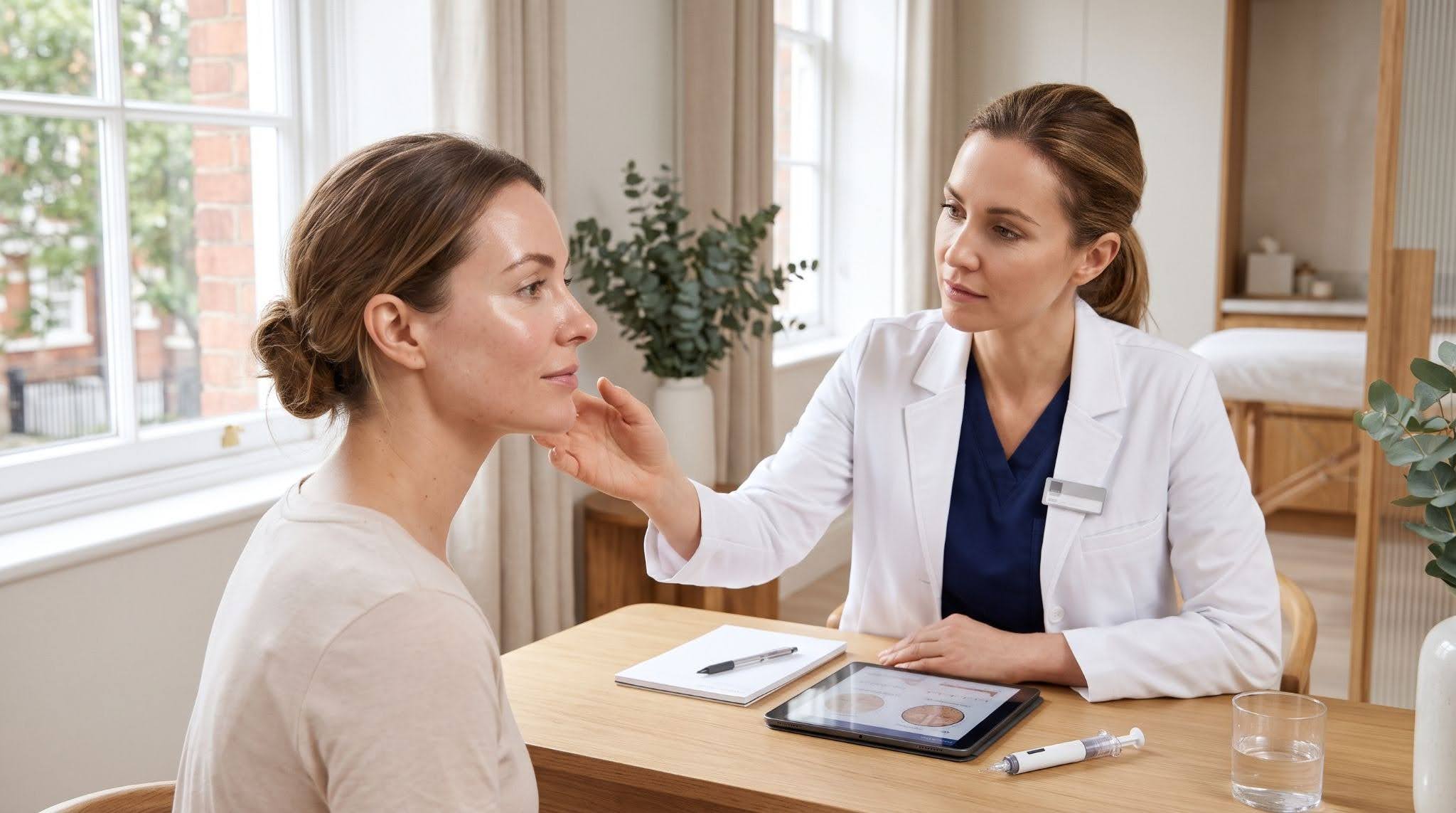
Do not treat patients with a known fish allergy or hypersensitivity to any component. Most products are fish-derived, so screen for this at consultation and check each product’s instructions for its full list of contraindications.
Document treatment plans clearly, especially when combining modalities.
Why Source Polynucleotides Through Pharmalyfe?
Pharmalyfe is a GPhC-registered pharmacy supplying authentic polynucleotide products from leading ranges including Lumi-PN, Mastelli (Plinest & Newest), Nucleofill, Philart, Plenhyage and Vitaran We focus on reliable stock, competitive pricing and products that meet professional standards.
Explore the full polynucleotide range at app.pharmalyfe.com.
Final Thoughts
Polynucleotides offer UK clinics a versatile regenerative option that addresses skin quality rather than simply adding volume. When used with clear protocols and realistic patient expectations, they deliver natural improvements in texture, elasticity and overall skin health, and integrate well with fillers and skin boosters.
If you would like to discuss the polynucleotide products available, treatment protocols or current stock, contact the Pharmalyfe team. We are happy to support UK clinics with high-quality products and practical guidance.
Ready to stock polynucleotide treatments?
Contact Pharmalyfe today for competitive pricing and reliable UK delivery.
Visit app.pharmalyfe.com to view the range.
Frequently Asked Questions
How many polynucleotide sessions are usually needed?Most protocols involve 2 to 4 sessions spaced 2 to 4 weeks apart, followed by maintenance as required, but always check the manufacturer’s instructions for the specific product.
When do patients see results?Early improvements in hydration and radiance can appear within a few weeks. Fuller benefits in texture and firmness typically develop over the course and in the following months.
Can polynucleotides be combined with fillers?Yes. Many practitioners use them to improve skin quality alongside structural filler treatments for more natural overall results.
Are polynucleotides suitable for the under-eye area?Yes. The periocular zone is one of the strongest indications, particularly for crepey or thinned skin where traditional filler may not be the first choice.
Who should not be treated with polynucleotides?Patients with a known fish allergy or hypersensitivity to any component should not be treated. Manufacturers also commonly advise against treatment during pregnancy or breastfeeding, or where there is active infection at the injection site. Check each product’s instructions for use.
Where can clinics order polynucleotide products in the UK?Authentic polynucleotide treatments from ranges including Lumi-PN, Plinest, Newest, Nucleofill, Philart, Plenhyage and Vitaran are available through Pharmalyfe at app.pharmalyfe.com.